Reuse.
Modular design supports the possibility of a new layout and a longer useful life.
 India
A room can be an asset that evolves.
Circular design considers material reuse, digital management, repair, refurbishment and end-of-life take-back.
Read the ESG brochure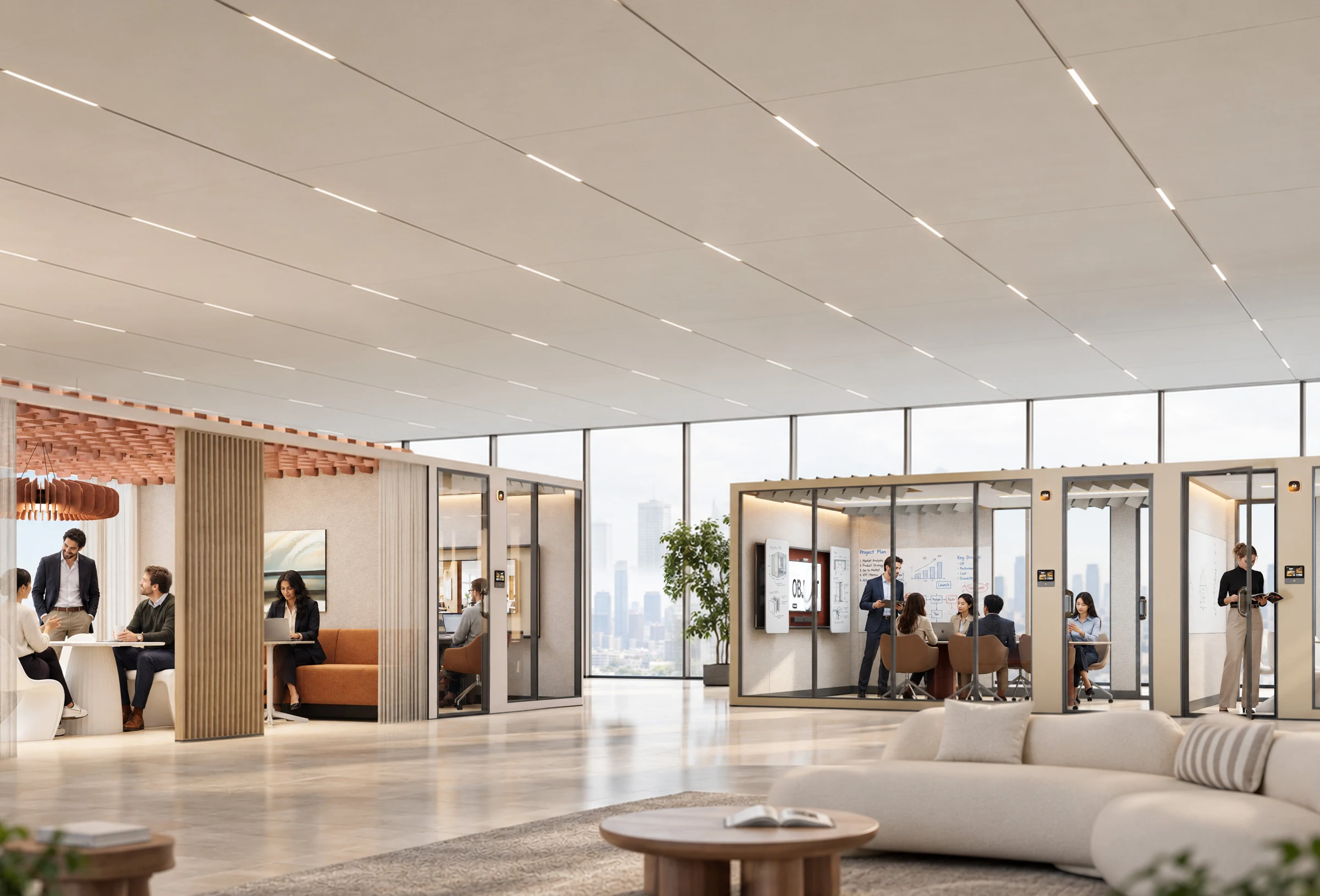
Consider the whole product life, from design and production to relocation and reuse.
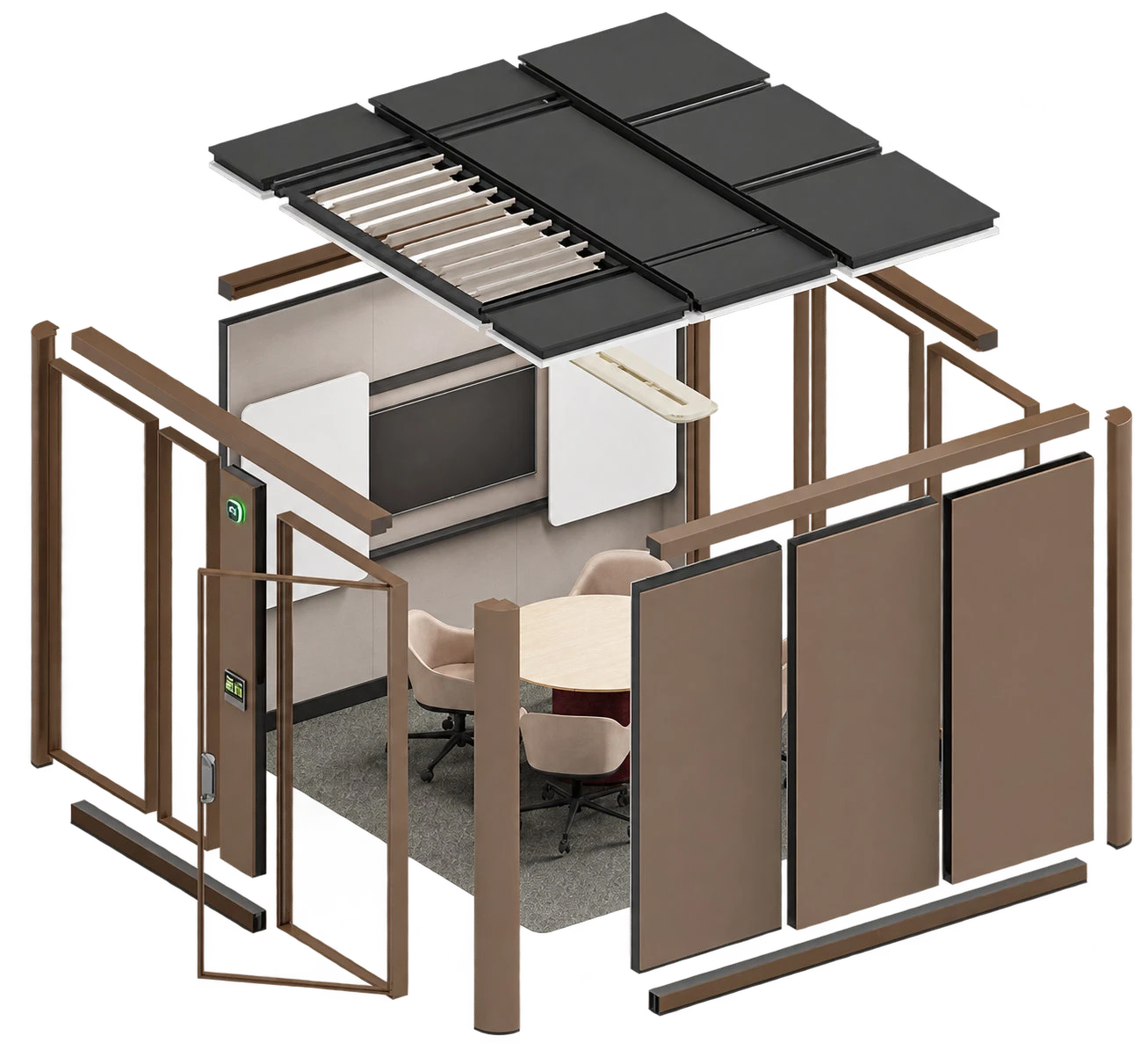
Modular design supports the possibility of a new layout and a longer useful life.
Maintenance and component replacement help retain product value.
Plan spaces around changing needs instead of assuming the first layout is permanent.
Discuss refurbishment, take-back and material recovery as part of your project scope.
Certifications and environmental statements vary by product and document. Request the relevant certificate, scope and current evidence for your selected configuration.
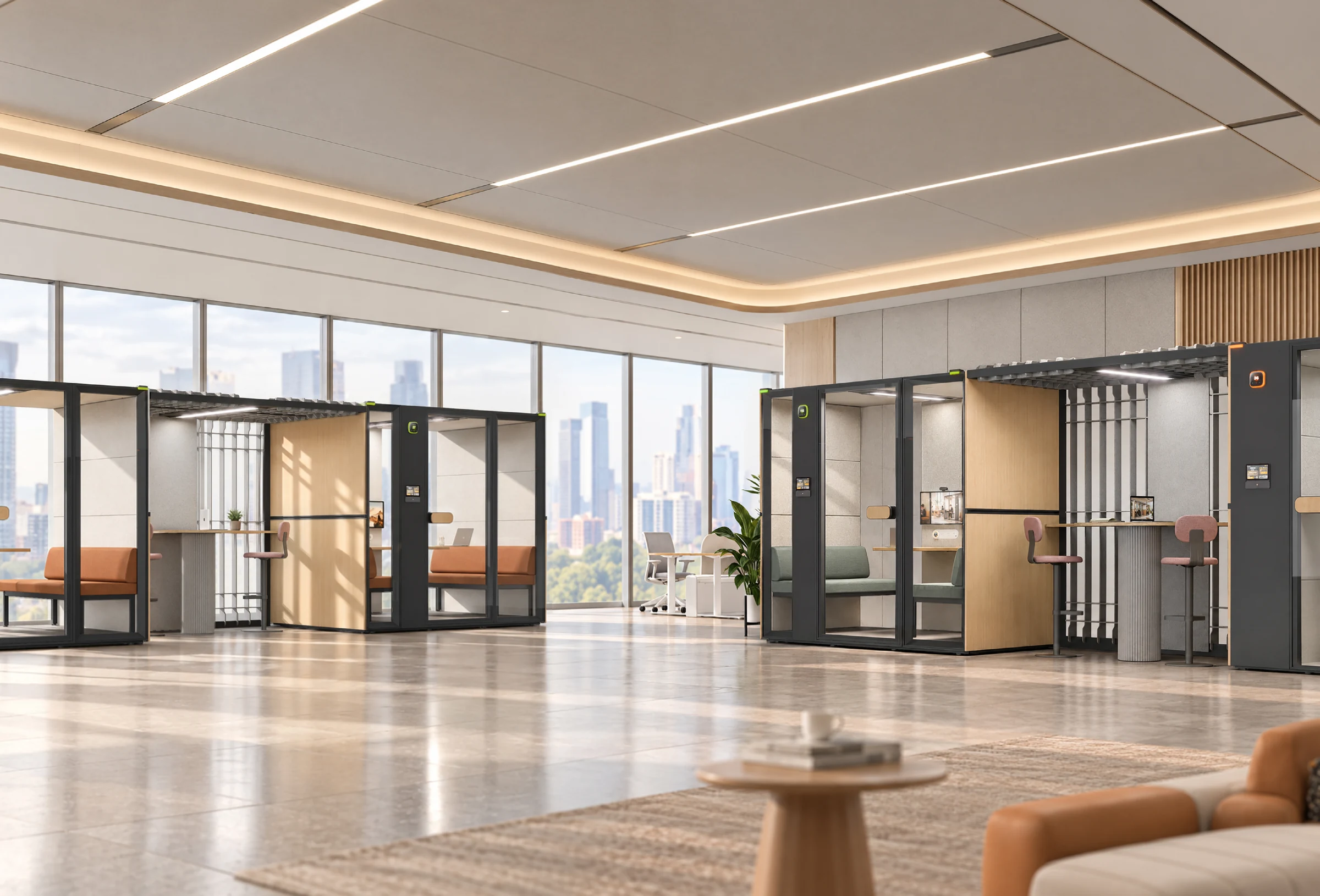
The ESG flyer presents circular design as a lifecycle approach: procurement, delivery, use, maintenance, refurbishment and reuse. Ask which service, replacement and recovery options apply to your exact model and India project. This distinguishes a design direction from a contracted service.
Read the ESG design flyerImage and collection direction from the supplied MUSEPoD 26V10 flyer. Confirm the selected model and equipment with your quotation.
Look for documented answers about the configuration you intend to order.
Discuss future layouts, relocation requirements and whether components can be reused. Understand the labour and site conditions needed to move the selected system.
Ask for care instructions, access to serviceable parts and replacement availability. Keep the model identification and approved material codes with the maintenance record.
Ask for model-specific material and environmental documentation where available. Check scope and validity before applying a collection-level statement to a project.
Tell us how your space needs to work. We’ll help you find the right configuration.
Start your project